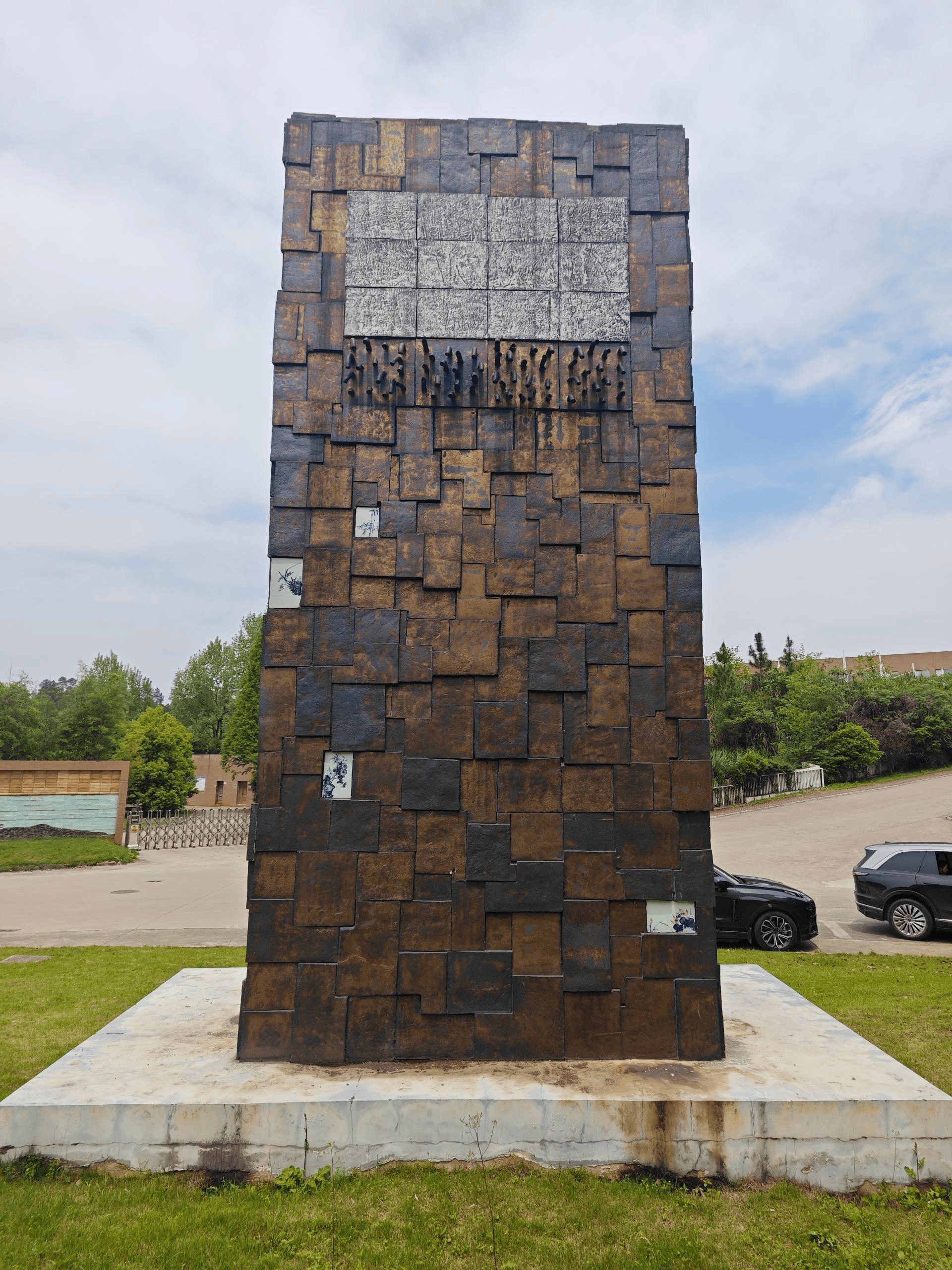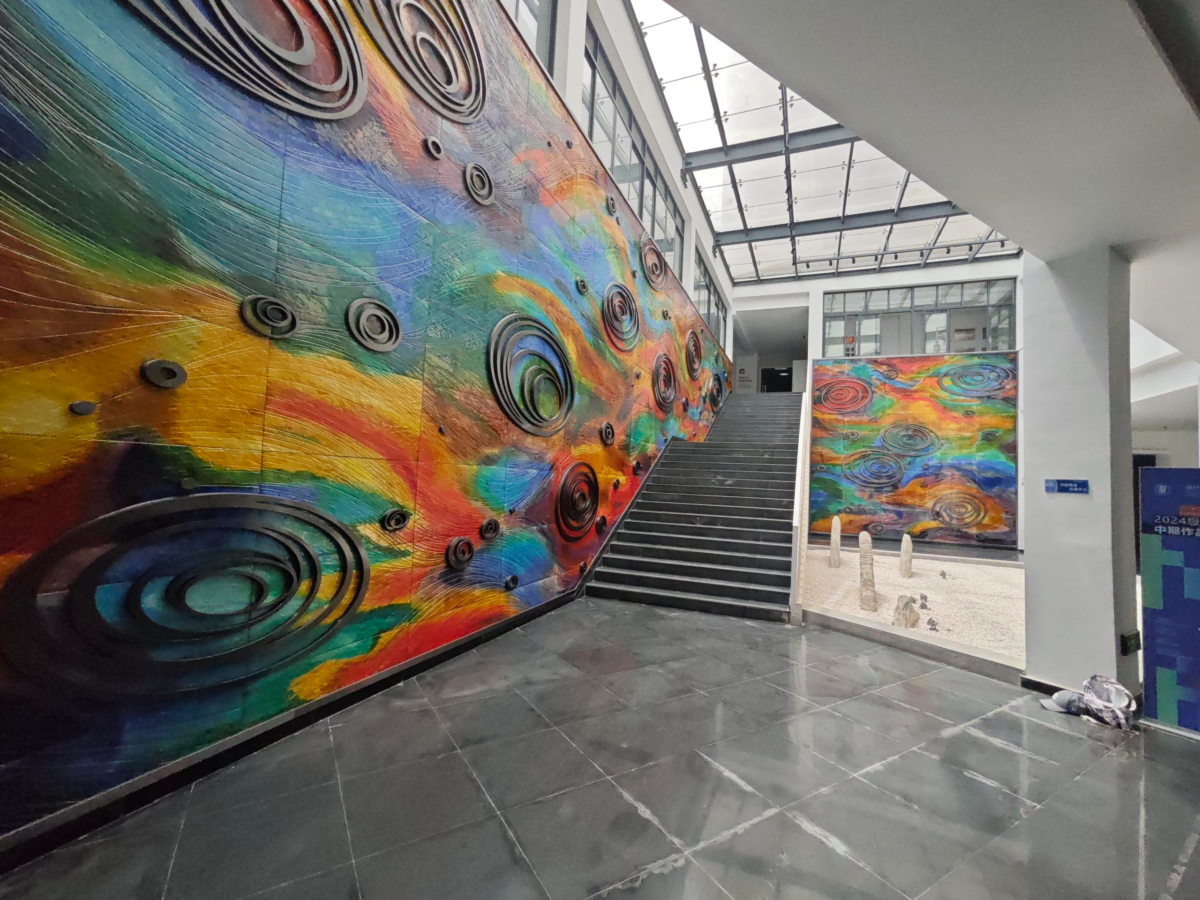
Ceramic statue symbolizes a striking art version with a considerable past, spanning back innumerable of times. From ancient receptacles to up-to-date presentations, the material offers unequalled possibilities for creative presentation. Artists work with multiple techniques – including assembling, wheel manipulating, and advanced firing processes – to mold humble dirt into exquisite three-dimensional artifacts. The robustness of fired ceramic also contributes to its status as a truly significant part of human history.
Delving into Stoneware Tablet Configurations and Strategies
The sector of ceramic plaque design offers a wide array of artistic possibilities. Craftsmen often incorporate a combination of heritage-based and cutting-edge techniques to construct visually stunning pieces. These can include from simple, etched reliefs to complex, multi-layered designs. Widely practiced methods include shape forming, hand building, glazing – which can involve various styles like sub-glaze artwork, outer glaze enhancement, and scraped artwork where designs are made visible by excavating a layer of surface. Extra analysis into decorative coatings such as flash firing and sheen enhancement can result in truly distinctive and personalized terracotta signs.
- Form Casting - Producing pieces using a mold
- Manual Crafting - Delicately building the soil
- The glaze process - Applying the shell with a glossy finish
- Scratched decoration - Revealing designs by excavating overlays
Engaging Experiences: Pottery Art Arrangements
The expanding landscape of imagination presents exciting contemporary avenues for observers, and ceramic art installations are at the forefront of this transition. These aren't just static pieces; they are designed to envelop the participant in a sensory atmosphere. Imagine venturing into a forest of towering, embellished ceramic trees, or navigating a tangle of fragile ceramic vessels. Many sculptors are now incorporating music, luminescence, and even odor to enhance the feeling of their work. Reflect on the power of a room filled with hundreds of individually ceramic forms, each telling a tale. Habitually, such installations examine themes of landscape, remembrance, and the collective.
- The aforementioned installations blur the lines between craft and architecture.
- Participating in a ceramic art installation can be a deeply personal journey.
- Craftsmen are transporting the parameters of what is realizable with clay.
This Splendor of the Clay Jar: Meaning and Structure
The terracotta pot represents a notable conjunction of functionality and decorative appeal. Historically, these vessels served a minimalist assignment in holding plants, but their maturation has transformed them into highly valued works of art. Each object showcases the mastery of the builder, demonstrating how design can be as vital as service. The deliberate shaping, the exceptional glazes, and the holistic presence of a well-made pot can improve a space, offering both splendor and a soft reminder of the creative hand.
Up-to-date Stoneware Design : Extending Edges
Up-to-date terracotta model represents a fascinating shift from classic practices. Makers are vigorously challenging with modern procedures, blurring the lines between ceramics and diverse expressive realms. From massive installations to precise miniature pieces, mentioned works analyze themes of background while coincidingly remaking the foundational of what brick can demonstrate. The upshot is a forceful sector of inventive display.
Brick Badge: Keeping Record in Stoneware
Porcelain plaques offer a exclusive method for preserving significant events and characters. As opposed to traditional metal or stone markers, these tough pieces of design are formed from hardened clay, creating a physical link to the past. Typically, they highlight intricate bas-reliefs or carefully illustrated imagery, conveying stories that might otherwise be Ceramics overlooked. This technique, dating back ancient communities, provides a elegant and durable way to celebrate our collective story.
- The mentioned can be set in common spaces.
- Numerous are now accepted historical remnants.
Earthenware Art Displays: Modifying Sites
Earthenware art installations are growing a impactful medium for craftsmen to reshape public and private environments. These immersive artworks frequently involve expansive clay designs that hold viewers, influencing their understanding of the assembled environment. By adopting diverse techniques like hand fabrication and intricate firing tactics, ceramic artists construct truly distinctive experiences, erasing the divisions between form and structure. The effectiveness is often a powerful transformation that improves the aesthetic quality of the venue and encourages communication.
Beginning Spindle to Marvel: The Practice of the Ceramic Jar
The journey of a ceramic urn from a simple lump of terracotta to a refined work of composition is a testament to human creativity. Originally, the process starts with the potter’s spin wheel, where the skilled artisan crafts the rotary mud into a cylindrical contour. This foundational process demands clearness and a keen eye, followed by a delicate curing period. Once soft-fired, the pot is ready for ornamentation, which may comprise glazing intricate arrangements, incising detailed scenes, or incorporating a array of textures. The ultimate curing process then renders the component into a durable and stunning urn, a tangible representation of the designer's talent.
Modeling with Terracotta: A Primer to Ceramic Creation
Investigating the field of porcelain production begins with grasping the essentials of carving with terracotta. A practice involves methodically layering and taking away components to make three-dimensional models. If you're a starter or a master artist, experimenting with various kinds of earthenware – including porcelain – will enable you find your distinctive voice. In the end, earthenware working is a satisfying exploration that blends practical expertise with imaginative interpretation.