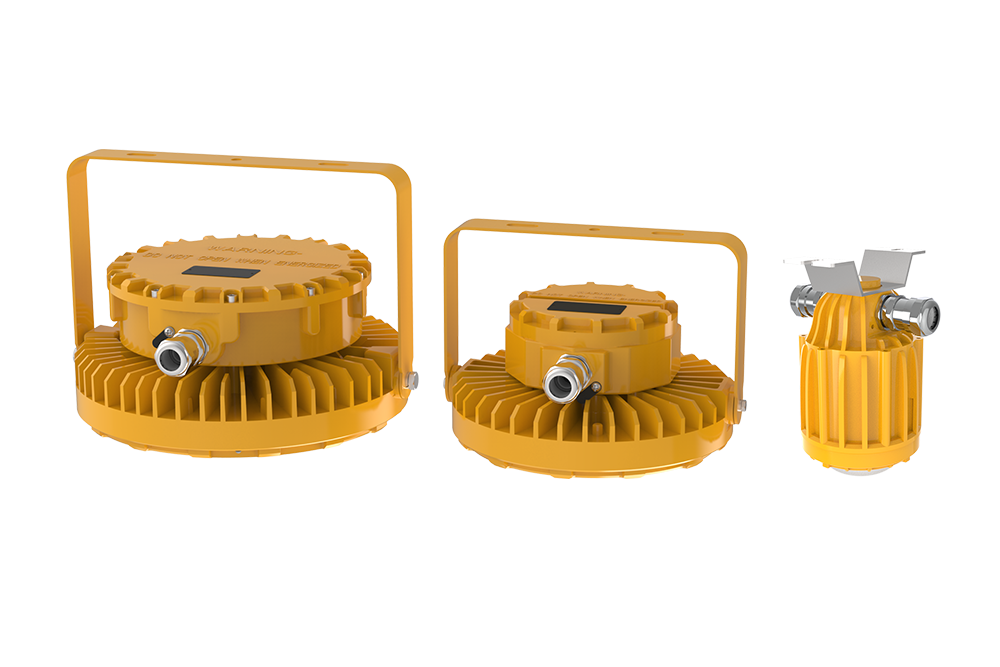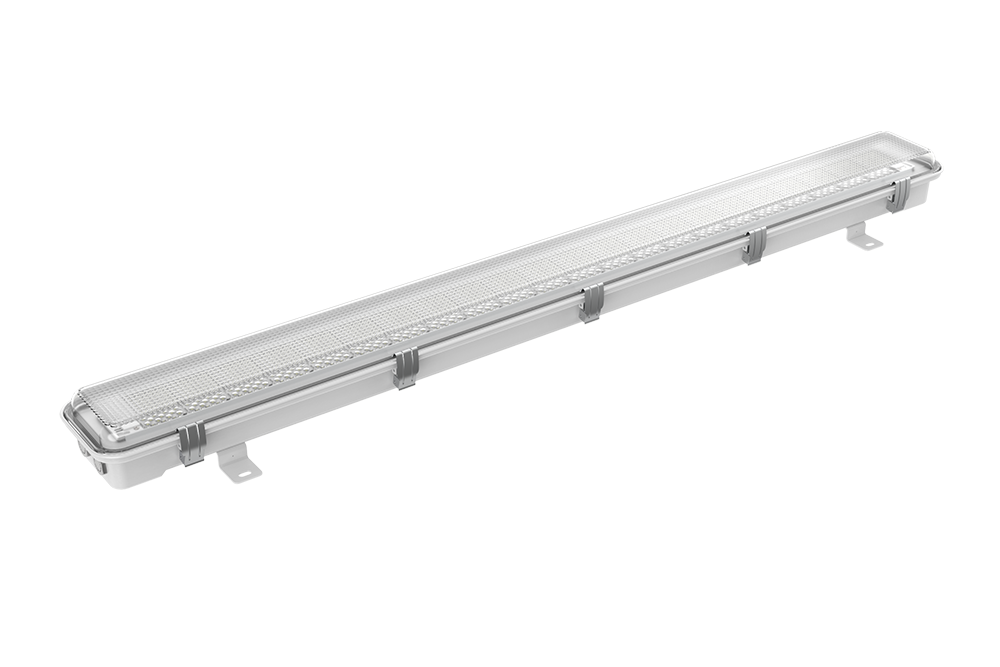
Originating this treatise reviews all systems of spark-proof lighting amid production settings.
Executing effectively in treacherous areas especially pharmaceutical facilities involves customized devices so as to prevent conceivable accidents. Flame-proof lighting devices are critical units in these zones, engineered to survive sparks, explosive vapors, and ignitable fields. Each contraptions are not naturally sound; rather they are engineered to sequester any inner electrical fault or ignition and block it from producing a intensified combustion in the local environment. This summary furnishes important facts about explosion-proof devices, their exploits, and protection issues for executing them properly.
Recognizing Explosion Proof Lighting Standards
Conforming to prescribed hazard-resistant lighting criteria can be demanding, especially regarding industries handling hazardous zones. These mandates – often linked to international bodies including the National Electrical Standard (NEC), ATEX (Europe), and IEC – set explicit design and installation methods to prevent the chance of flaring from non-explosive hardware. Understanding referenced standards is critical for ensuring worker safety and adherence with regulatory duties.
Luminescent Flame Proof Light Sources: Capability & Precaution
Photon Emission hazloc illumination devices demonstrate a remarkable augmentation over former fluorescent systems in sites where ignitable fumes are found. These reliable units not only generate noteworthy energy efficiency, resulting in declined expenditure, but specifically maintain a improved standard of safety by mitigating the threat of combustion attributable to arc transients}.
Explosion Qualified Toxic Zone Perilous Proof Combustion Flare Glow Resistant} Luminaires : A Elaborate Digest
Explosion Proofed Dangerous Place Toxic Proof} Fixtures are specially manufactured lighting methods built to operate safely within plausibly combustible atmospheres. These sturdy fixtures avoid sparks, heat and electrical charges from starting a catastrophic explosion. They normally incorporate state-of-the-art designs, including specifically enclosed housings and basically safe electronic components to secure safety standards in domains like petroleum & flammable gas processing, fabrication plants, earthworks operations, and medication production.
Electing the Appropriate Spark-Proof Fixtures for Unsafe Sites
Evaluating the best ignition-proof lighting for a defined hazardous area calls for comprehensive evaluation. Criteria such as the classification (e.g., Division I, II, or III and domains 1) have to be meticulously assessed to validate conformity with applicable danger prevention rules. More than the environment's essential risks, take into account natural states, such as thermal state and condensation, to find a long-lasting and risk-free resolution. Usually consult a licensed advisor to guide your choice.
Regions Where Are Explosion Proof Lights?
Explosion-proof alternatively intrinsically safe|hazardous location|Class-rated} illumination units are undeniably needed in particular areas where dangerous gases or particulate matter could conceivably create a explosive atmosphere. This commonly includes refinery treatment plants, sealant application areas, cereal handling facilities, and water treatment treatment sections. Regulations, such as those from UL and ATEX, dictate their installation in these locations to prevent the risk of ignition and ensure operational dependability.
Positives of Semiconductor in Hazloc Units
Utilizing Semiconductor technology for hazloc systems offers a important collection of pros. First, photon emitters boast a markedly longer service life compared to traditional halogen lamps, reducing handling payments and pauses. They are also basically safer, producing reduced warmth which minimizes the hazard of fire outbreaks in risky atmospheres. In addition, light emitting diodes are notably economical, leading to cut energy bills and a lowered ecologic trace. Finally, the robust architecture of Electroluminescent lighting systems withstanding the rigorous settings typical of explosion proof areas.
- Expanded Service Life
- Reduced Support Charges
- Richer Safeguarding
- Reduced Fuel Utilization
- Enhanced Toughness
Controlling and Examining Explosion Proof Lighting Systems
Routine tuning and comprehensive survey of ignition-resistant lighting systems are required essential for upholding safety and minimizing potential hazards. This entails a periodic hazardous location lighting review of all modules, such as luminaires, channels, current conduits, and related distribution boxes. Notably, assess for rust, physical defects, and proper electrical grounding. Also, confirm that whole notices are visible and that the lighting fixtures meets required directives.
- Complete surface inspections.
- Check conductive junctions.
- Confirm fire-proof compliance.
Advancing of Explosion Proof Lighting Technology
Developing landscape of explosion-proof devices technology signals a considerable shift from traditional designs. Future applications will increasingly incorporate connected capabilities, enabling virtual monitoring, diagnostics, and responsive control. We imagine a strengthening adoption of semiconductor technology, not only for its inherent energy efficiency, but also its capacity to facilitate built-in sensors for recognizing risky conditions. Besides, materials examination is accelerating innovations in sturdy covering materials, allowing for compressed and upgraded designs, while securing the vital levels of precaution.
- Elevated battery life for portable applications.
- Integration with predictive maintenance schemes.
- Formation of automatic lens devices.