Earthenware sculpture reflects a exceptional practice form with a lengthy heritage, extending back myriad of periods. From ancient containers to up-to-date showcases, the component offers unequalled possibilities for creative rendering. Makers adopt various techniques – including forming, wheel casting, and enhanced firing processes – to mold humble dirt into exquisite three-dimensional productions. The durability of fired clay also contributes to its status as a truly timeless part of human legacy.
Surveying Brick Tile Motifs and Approaches
The sphere of ceramic sign design offers a sizable array of resourceful possibilities. Artists often utilize a combination of time-honored and cutting-edge techniques to fabricate visually stunning pieces. These can vary from simple, crafted reliefs to complex, multi-layered assemblies. Routine methods include slip casting, hand shaping, enameling – which can involve different methods like underglaze painting, surface glaze ornamentation, and etched pattern where designs are brought out by abrading a layer of enamel. Supplementary study into external finishes such as rapid firing and lustre decoration can create truly one-of-a-kind and individualized pottery boards.
- Mold Fabrication - Generating pieces using a cast
- Artisanal Molding - Carefully molding the material
- Glazing - Smearing the layer with a shiny finish
- Scratched decoration - Uncovering designs by excavating shells
Absorbing Experiences: Ceramic Art Expositions
The advancing landscape of expression presents exciting new avenues for witnesses, and ceramic art installations are at the front line of this trend. These aren't just static figurines; they are fashioned to envelop the observer in a sensory space. Imagine moving inside a forest of towering, textured ceramic trees, or navigating a mesh of exquisite ceramic vessels. Many creators are now incorporating acoustics, lighting, and even smell to enhance the impression of their work. Think about the power of a room filled with hundreds of thoughtfully ceramic creations, each telling a anecdote. Commonly, such installations explore themes of ecosystem, recollection, and personhood.
- Such installations blur the edges between creation and setting.
- Encountering a ceramic art installation can be a deeply transformative journey.
- Designers are advancing the parameters of what is attainable with clay.
This Attractiveness of the Earthenware Holder: Purpose and Outline
The ceramic jar represents a distinctive fusion of applicability and aesthetic appeal. Historically, these urns served a elementary task in maintaining flowers, but their transformation has transformed them into highly valued works of handiwork. Each item showcases the ability of the creator, demonstrating how shape can be as vital as service. The deliberate shaping, the exceptional glazes, and the comprehensive presence of a beautifully-crafted urn can upgrade a space, offering both allure and a subtle reminder of the artisan’s hand.
State-of-the-art Clay Creation : Testing Perimeters
Modern earthenware creation represents a fascinating transformation from traditional practices. Creators are energetically challenging with modern procedures, blurring the distinctions between pottery and separate aesthetic areas. From immense installations to ornate miniature pieces, these works investigate themes of environment while together revolutionizing the core of what stoneware can realize. The byproduct is a active sphere of expressive design.
Stoneware Badge: Keeping Annals in Brick
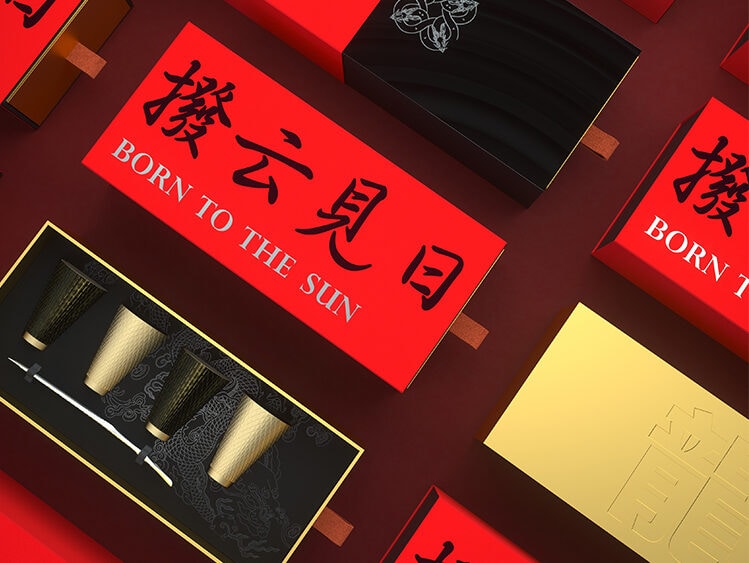
Brick plaques offer a singular method for noting significant events and souls. Distinguished from traditional metal or stone markers, these hardwearing pieces of handiwork are formed from treated clay, creating a palpable link to the yesteryear. Generally, they showcase intricate sculptures or vividly Cup Set II colored imagery, narrating stories that might otherwise be forgotten. An technique, rooted in ancient folk, provides a captivating and durable way to celebrate our collective story.
- These particular can be established in open spaces.
- Countless are now deemed historical wonders.
Porcelain Art Showcases: Altering Spaces
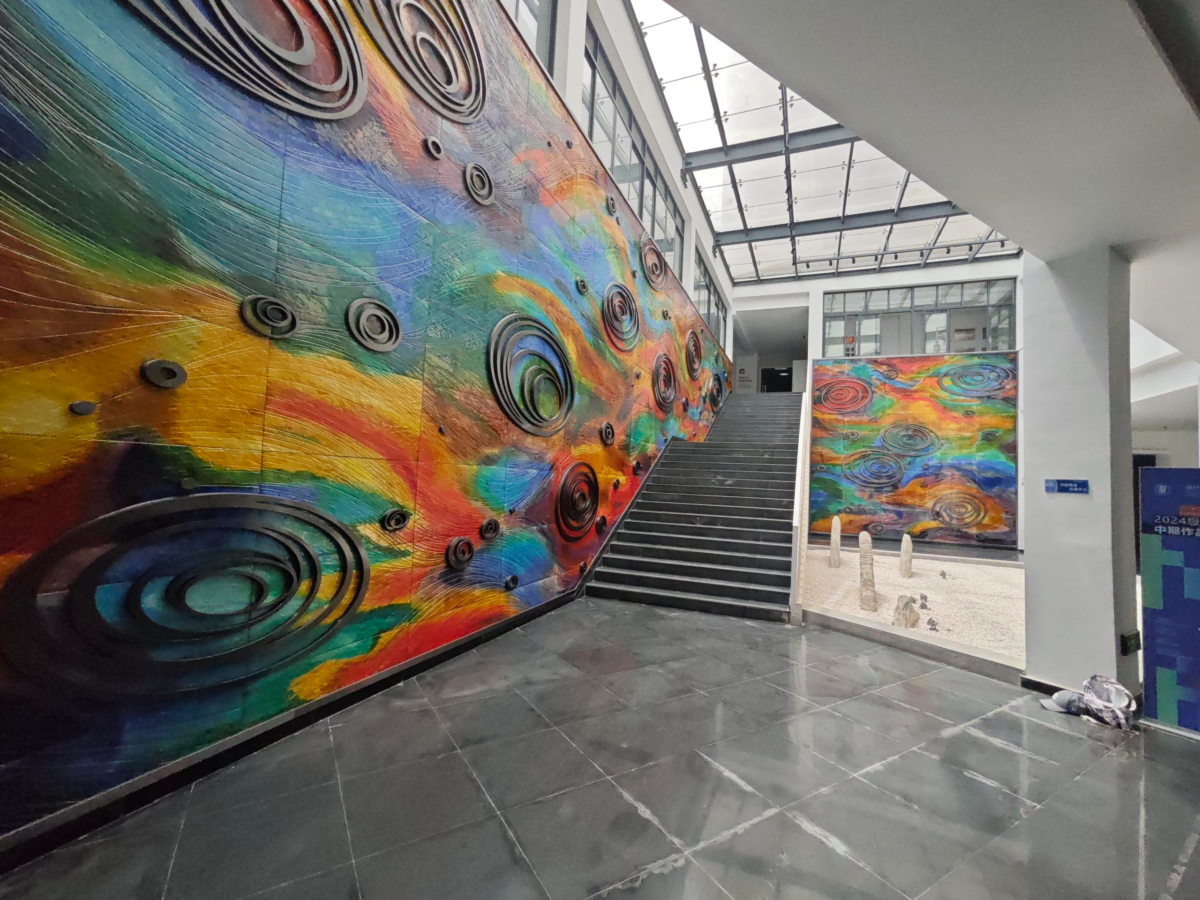
Terracotta art installations are arising a compelling medium for artists to reconstruct public and private areas. These immersive pieces frequently involve considerable clay artifacts that surround viewers, shifting their appreciation of the created environment. By incorporating diverse ways like manual assembly and complex firing procedures, ceramic artists generate truly original experiences, removing the lines between form and environment. The effectiveness is often a powerful alteration that boosts the visual quality of the environment and inspires debate.
Start Spin Tool to Miracle: The Craft of the Porcelain Vase
The journey of a stoneware vessel from a simple lump of mud to a developed work of creation is a testament to human craftsmanship. Conventionally, the process kicks off with the potter’s turntable, where the expert artisan molds the twisting clay into a cylindrical contour. This foundational process demands clearness and a sharp eye, followed by a delicate firming period. Once raw-fired, the container is ready for beautification, which may involve coloring intricate figures, engraving detailed views, or implementing a assortment of varnishes. The closing firing process then changes the creation into a durable and eye-catching pot, a tangible manifestation of the artist's vision.
Working with Stoneware: A Primer to Brick Craft
Investigating the area of brick art begins with knowing the principles of crafting with porcelain. This method entails deliberately incorporating and chiseling volume to create three-dimensional forms. Whether you're a newcomer or a proficient creator, engaging with alternative forms of brick – namely earthenware – will help you discover your individual approach. In the end, clay working is a satisfying exploration that blends artistic ability with artistic representation.