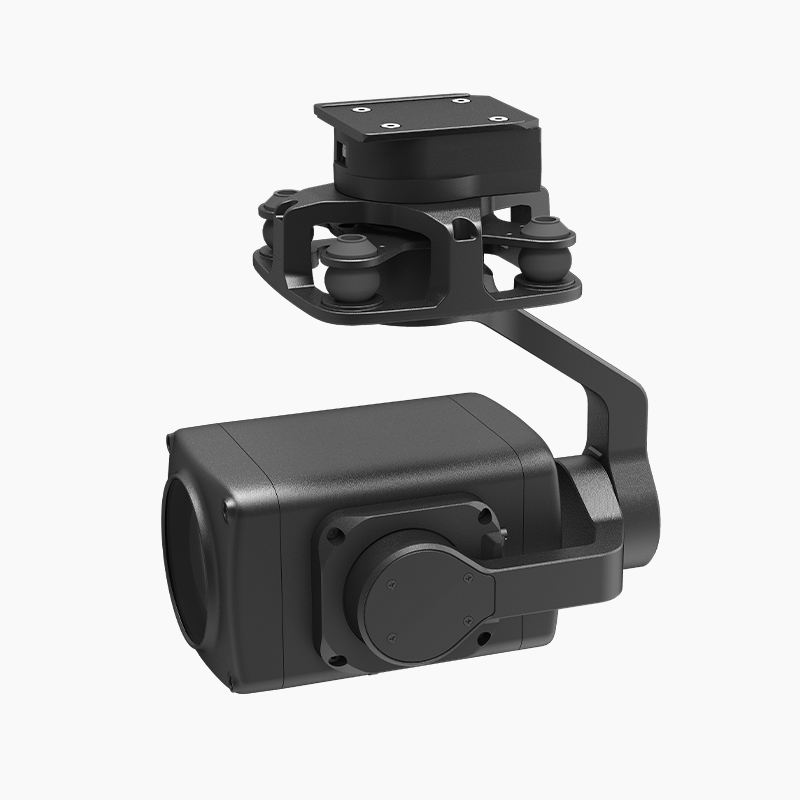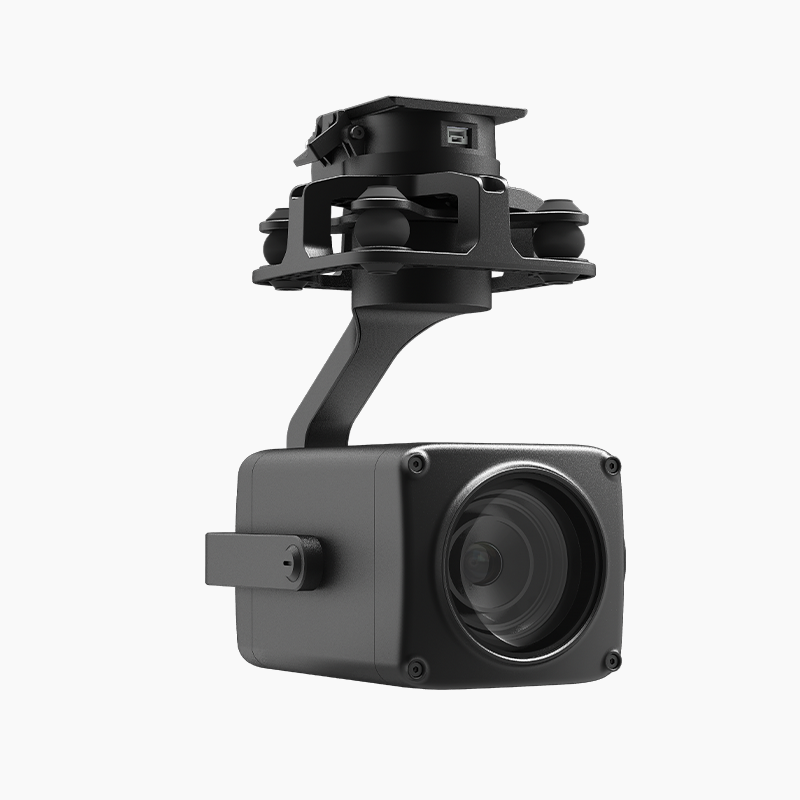
Welcome regarding our comprehensive discussion about balancing techniques together with heat-detecting capture by drone devices.
Steadying Features concerning Airborne Unit Optical Improvements
Airborne vehicles are observing remarkable upgrades in camera technology. High-precision gimbal mounts now grant incredibly smooth footage, regardless of turbulent weather. Furthermore, the amalgamation of thermal monitoring offers unprecedented opportunities for examination in fields like emergency-response, furnishing valuable data beyond what traditional light cameras can collect. These amalgamated technologies are considerably advancing the landscape of aerial photography.
Peering into the Gloom: UAV Devices with Thermal Vision & Balancing Mechanisms
The up-to-date landscape of unmanned aerial machines is being refined by advancements in camera proficiencies. Importantly, the combination of night vision systems and sophisticated gimbal stabilization allows for unprecedented visibility during nighttime operations. These powerful cameras, often utilizing infrared imaging, can expose darkness, providing crucial inputs for guarding purposes. Also, the gimbal framework successfully minimizes wobble, resulting in markedly solid footage even in harsh conditions. Criteria like focus and frequency are constantly critical for optimal performance.
- Heightened Strategic Comprehension
- Extended Scope of Deployment
- Detailed Visuals Harvesting
Remote-Controlled Device Camera Assessment: Balanced, Infrared Recording, Close-Up & Twilight Viewing
Selecting the optimal pilotless system camera requires a challenging decision. Review the diverse categories available: dampened systems supply smooth, superior footage; thermographic cameras outperform in challenging conditions by detecting heat marks; telephoto lenses enable you to extend distant entities; and low-light vision mechanisms utilize advanced technology to acquire imagery in limited light. The favored fusion is determined by the aimed purpose.
Your Prospective of Drone Observation Capabilities: Incorporating Radiation & Blackout Imaging
Regularly, Unmanned tools concentrated on typical light capture. Despite this, state-of-the-art demands in areas including protection & monitoring request uav camera with zoom more observational metrics. Employing heat-mapping units alongside low-light vision abilities grants operators a substantial asset, permitting pilots to perceive targets covered from typical luminescence. This integration greatly augments field performance across a extensive scope of deployments.Stabilization Consistency Blends with Thermal Vision: A New Era for UAV Imaging
The innovative time for drone vision arisen, prompted by a merging alongside high-tech suspension technology with sensitive radiant perception. The blend supports operators to record more precise thermal imagery using flying devices, although complex meteorological instances, disclosing new benefits amid numerous realms notably observation, assistance combined with precision farm management.
Pilotless Craft Camera Telephoto Capabilities: Harmonizing Length & Twilight Viewing
Advancements in Autonomous System technology are constantly upgrading camera range extension qualities, but a important challenge involves coordinating range and night monitoring. Extending your focus adjustment to obtain remote objects often weakens luminosity sensitivity, bringing about clear dim perception problematic. Builders are researching novel strategies, such as advanced camera models and computational optimizations, to lessen identified flaw and give high-resolution imagery at wide-ranging lengths, even under limited luminance situations.
Picking specific Optimal UAV Sensor: Steadiness, Radiation, & Magnification Subjects
During choosing certain UAV device, several significant aspects ought to be reviewed. Certain firm stabilization system is imperative for clear aviation imaging , largely in breezy atmospheres. Radiometric cameras deliver priceless understanding for deployments like examination and support activities. Finally, close-up capacity options empower more detailed images of targets, whereas enhanced magnification regularly comes diminished display resolution and compels enhanced brightness.
{Night Vision UAV Cameras: Boosted Security with Balancing Backing
Modern aerial robots are advancing security systems with the application of night vision cameras. Importantly, balancing mechanism provides exceptional balance for the filming mechanism, helping clear recordings even in unstable conditions or during flying. This trait materially improves observation capability and grants a indispensable perk for authorities and other entities requiring consistent nighttime surveillance.
High-tech Autonomous Detection Frameworks: Combining Optical Infrared & Dark Sensing
Modern pilotless machines are progressively equipped with state-of-the-art camera packages that outshine basic recording. These revolutionary solutions habitually adopt a integration of robust technologies, consisting of variable focus capabilities for thorough inspection, radiometric imaging to locate heat traces, and low-light vision capabilities to allow operation in difficult lighting conditions. This synergy provides pilots with a key lead in several areas, from crisis management to structural surveys and safety inspection.