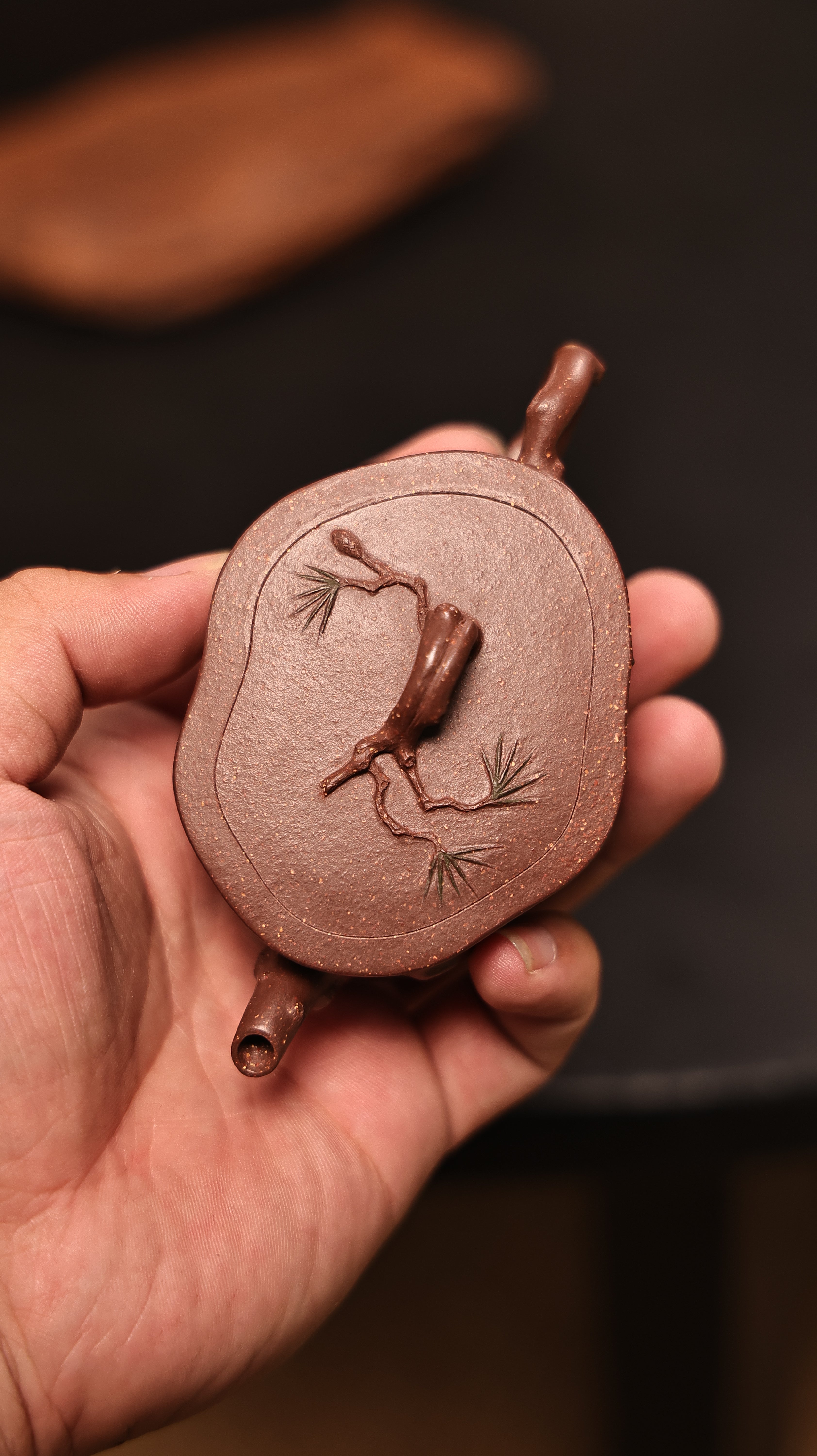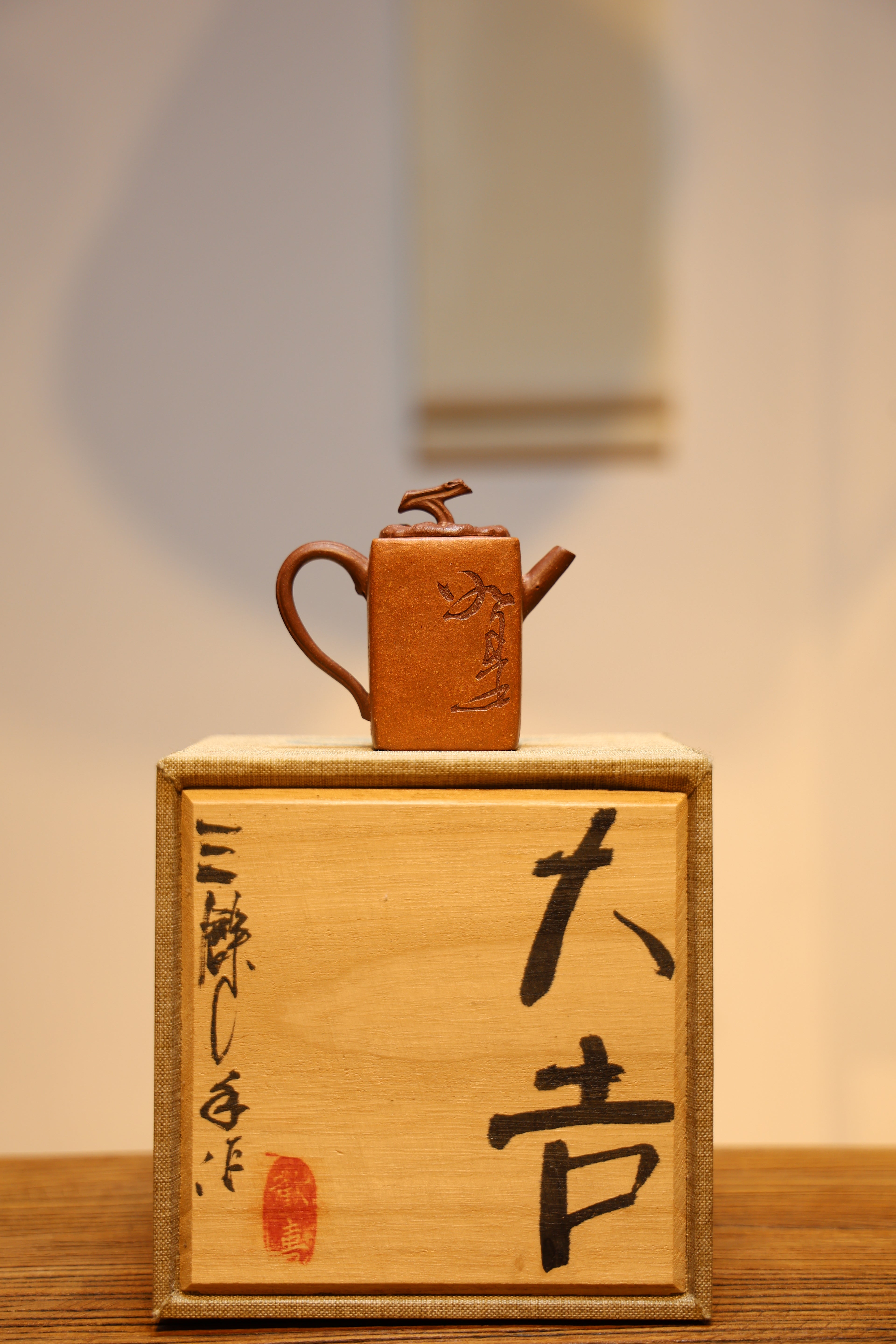
Embarking such complete examination in relation to 宜兴 Zi Sha porcelain pots introduces exclusive intriguing blend of artistry alongside practicality.
Ihsing Zi Sha ceramic vessels boast one exceptional attraction among collectors around the planet. Those extraordinary clay pots, produced from the specific Yixing location close to Jiangsu administration, China, stand as more than just brewing instruments; they function as works artistic beauty and cherished significance. Distinct finely sorted clay, known referred to as Zisha, imparts a refined flavor in the tea, and the elaborate designs, often reflecting traditional Chinese designs, add to their essential value. Acquiring a genuine Yixing Zisha teapot can be a worthwhile journey, calling for careful examination and an recognition of the numerous factors influencing its rarity.
Discovering Yixing Earthenware Pots
宜兴 tea vessels boast a extensive tradition deeply interwoven with Chinese legacy. Originating in Yixing, Jiangsu district, these vessels are crafted from a unique, porous purple mud found only in that distinct location. Their evolution began during the Ming age, with master ceramicists refining the techniques over epochs. Various types persist, including the classic Hexiang (resembling crab shells), Zhuni (red-brown hue), and Duan Ni (stone-studded) – each with distinctive traits. The value of an Yixing ceramic vessel isn't solely based on its size or ornamentation, but also on the designer’s reputation, the material's quality, and the pottery’s age and Chinese Teapot condition. Collectors often seek out older examples, believing they enhance the aroma of the drink brewed within them over time, further adding to their distinction.- Heritage Teapots
- Zhuni Pots
- Pebble-Embedded Clay Pots
Zisha Teapot Mastery: Handiwork & Systems
That manufacture of Zisha teapots represents a summit of Chinese ceramic mastery. Expert artisans employ established techniques, often passed down through lineages, to unlock the full beauty of this unique clay. Methods involve meticulous designing by hand, often combined with the binding method, followed by precise curing at incredibly extreme temperatures in wood-fired kilns. Ornamenting is equally crucial; potters utilize natural clay colors and may incorporate modeling work to depict intricate scenes or patterns, demonstrating a profound familiarity of the material’s aspects and voice. The resulting teapot isn't merely a vessel for tea, but a testament to a lasting cultural lineage.
A Teapots: Distinct Summary to Ihsing Zisha
Probing the world of a teapots often originates with Yixing Zisha. These special clay teapots are constructed from a unique type of clay found only in the Yixing region of the Jiangsu locale province. Acclaimed for its distinctive reddish-purple hue and extraordinary characteristics, Zisha clay delivers a gentle flavor to the drink and improves with age, becoming a cherished gem. Collecting Yixing Zisha clayware is more than just possessing a stunning object; it’s a tribute of custom and expertise.
Exploring that Stoneware: Validity & Progression
Venturing into the domain of Yixing Zisha creations can be truly profitable, but entails a sharp insight. Accuracy is essential; countless counterfeits manifest, frequently skillfully fabricated. Familiarizing oneself about classic baking systems, exclusive material particulars, and the stamps of acclaimed manufacturers is absolutely vital. Moreover, recognizing the details of the market direction – influenced by aspects such as cultural importance and the condition of the piece – is paramount to beneficial purchasing.
- Studying heating origins.
- Engaging authorities for verification.
- Understanding exchange changes.
One Practice of Brewing with a Ceramic Pot
Such unique allure of a Zisha apparatus lies not just in its gorgeous appearance, but also in its remarkable impact on the quality of the tisane. These time-honored clay pots, sourced from distinctive regions of China, possess a intrinsic porosity that mildly interacts with the essence and leaves, imbuing the cup with a subtle character. Mastering the approach requires a patient approach, understanding how the soil responds to varying heating regimes and foliage types, ultimately leading to a unquestionably rewarding drinking ceremony.
Conserving Your Artifact
Proper care of your Yixing container is essential to sustaining its lastingness. These prized teapots, crafted from rare Yixing clay, gain a appearance over time that boosts their prestige. Frequently rinse the inner area with clean water, avoiding cleaning agents, and never use intense scrubbing tools. A gentle dusting with a silky cloth can help in preventing spots. Allow your urn to properly dry after each brewing
Demystifying Ceramic: What Those Clay Pots Signify Exclusive
The renowned appeal of Yixing teapots originates in the special properties of Earthenware clay, extracted solely near Yixing, the Jiangsu area. This uncommon clay, recognized as ferruginous mineral , demonstrates a peculiar combination of minerals that, through use, take in the taste of the brews it contains. This leads to a singular flavor profile for each teapot, making it a value far outperforming its baseline-level price and supporting to their admired status among devotees.
Identifying the Suitable Sinocentric Teapot: A Pottery Directory
Venturing into the world of Yixing clay teapots can feel daunting, but understanding the basics is imperative to acquiring a valued piece. Such clay, sourced essentially from the environs of Yixing, Jiangsu territory, is well-regarded for its distinctive structure and ability to augment the flavor of the tisane over years. Assess the contour, the saturation, and the design quality; a authentic Zisha teapot is more than just a jug; it's a artistic piece and a example of eastern culture. Look for the stamp of the artisan for clues to its lineage and potential standing.